
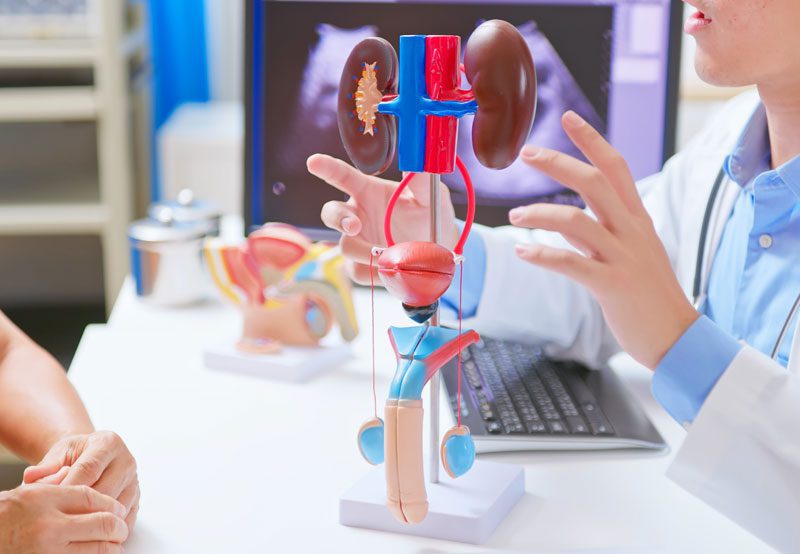
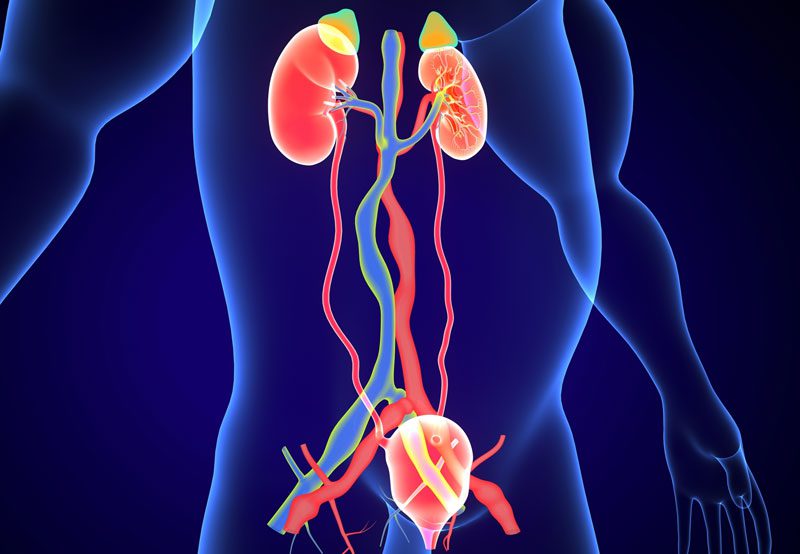
Cancer surgery plays a central role in the treatment of many urologic cancers, offering the opportunity to remove tumors, control disease progression, preserve organ function when possible, and improve long-term outcomes. Surgical treatment is highly individualized and depends on the type of cancer, stage of disease, overall health, and treatment goals. Modern urologic oncology surgery often combines cancer control with reconstructive and minimally invasive techniques to support recovery and quality of life.
What It Treats
Cancer surgery is commonly used in the management of several major urologic cancers:
- Bladder cancer: Surgery may involve transurethral resection for superficial tumors or radical cystectomy for muscle-invasive disease. Urinary diversion or bladder reconstruction may be part of treatment.
- Kidney cancer: Partial nephrectomy removes the tumor while preserving healthy kidney tissue, while radical nephrectomy removes the entire kidney when needed.
- Penile cancer: Surgical treatment may range from local excision or glans-preserving surgery to partial or total penectomy depending on extent of disease.
- Prostate cancer: Radical prostatectomy removes the prostate and seminal vesicles, often for localized or locally advanced disease.
- Testicular cancer: Radical inguinal orchiectomy is the standard initial surgery for most testicular cancers and may be followed by additional treatment if needed.

How the Procedure Works
Cancer surgery may be performed using open, laparoscopic, or robotic techniques depending on the cancer type and complexity of the case. Surgical planning is based on imaging, biopsy findings, and staging studies. In many cases, nearby lymph nodes may also be evaluated or removed to determine whether cancer has spread.
Additional specialized procedures may include:
- Complex renal surgery: Advanced kidney procedures for large tumors, tumors near major vessels, or cases requiring kidney preservation in challenging anatomy
- Reconstructive surgery: Restoration of urinary or genital function after cancer removal, including urinary diversion, urethral reconstruction, or tissue reconstruction
- Renal transplantation considerations: Coordination of cancer treatment in transplant patients or those with kidney failure requiring future transplant planning
- Renovascular surgery: Procedures involving kidney blood vessels when tumors affect vascular structures or blood supply
- Robotic surgery: Minimally invasive platform used for prostatectomy, nephrectomy, cystectomy, and selected reconstructive procedures
Benefits of the Procedure
Cancer surgery may offer several important benefits:
- Removal of localized cancer with curative intent
- Accurate staging through lymph node or tissue evaluation
- Preservation of organ function in select cases
- Reduced symptoms such as bleeding, obstruction, or pain
- Minimally invasive recovery with robotic approaches when appropriate
What to Expect
Recovery depends on the specific operation performed. Some minimally invasive procedures allow discharge within one to two days, while larger open or reconstructive surgeries may require longer hospitalization. Temporary catheters, drains, or stents may be used during healing. Follow-up includes pathology review, imaging, lab monitoring, and discussion of whether additional therapies such as chemotherapy, radiation, or immunotherapy are needed.
Is It Right for You?
Cancer surgery may be recommended for patients with localized tumors, selected advanced cancers, or symptoms caused by tumor growth. The best approach depends on cancer type, stage, anatomy, kidney function, and personal treatment goals. Evaluation by a urologic oncology specialist helps determine the safest and most effective surgical plan while balancing cancer control with long-term quality of life.