
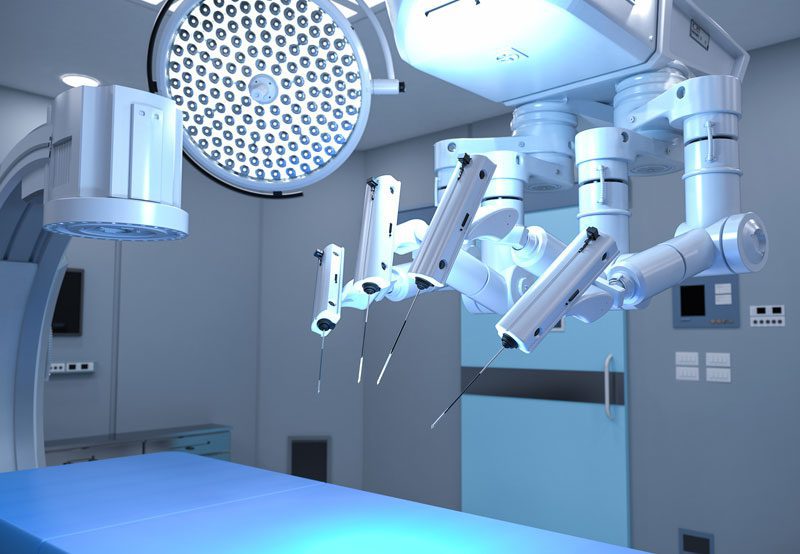

Robotic surgery is a minimally invasive surgical approach widely used in the treatment of urologic cancers. Using an advanced robotic platform, the surgeon controls highly precise instruments through small incisions while viewing the operative field in magnified three-dimensional detail. Robotic surgery has become an important option for many patients with prostate, kidney, bladder, and selected testicular or upper urinary tract cancers because it can combine effective cancer treatment with faster recovery and reduced surgical morbidity.
What It Treats
Robotic surgery is commonly used for several urologic cancers, including:
- Prostate cancer: Robotic radical prostatectomy to remove the prostate and surrounding tissue
- Kidney cancer: Robotic partial nephrectomy or radical nephrectomy for kidney tumors
- Bladder cancer: Robotic radical cystectomy with urinary diversion in selected patients
- Upper tract urothelial cancer: Robotic nephroureterectomy for cancers of the kidney drainage system or ureter
- Testicular cancer: Selected retroperitoneal lymph node dissection cases at specialized centers
How the Procedure Works
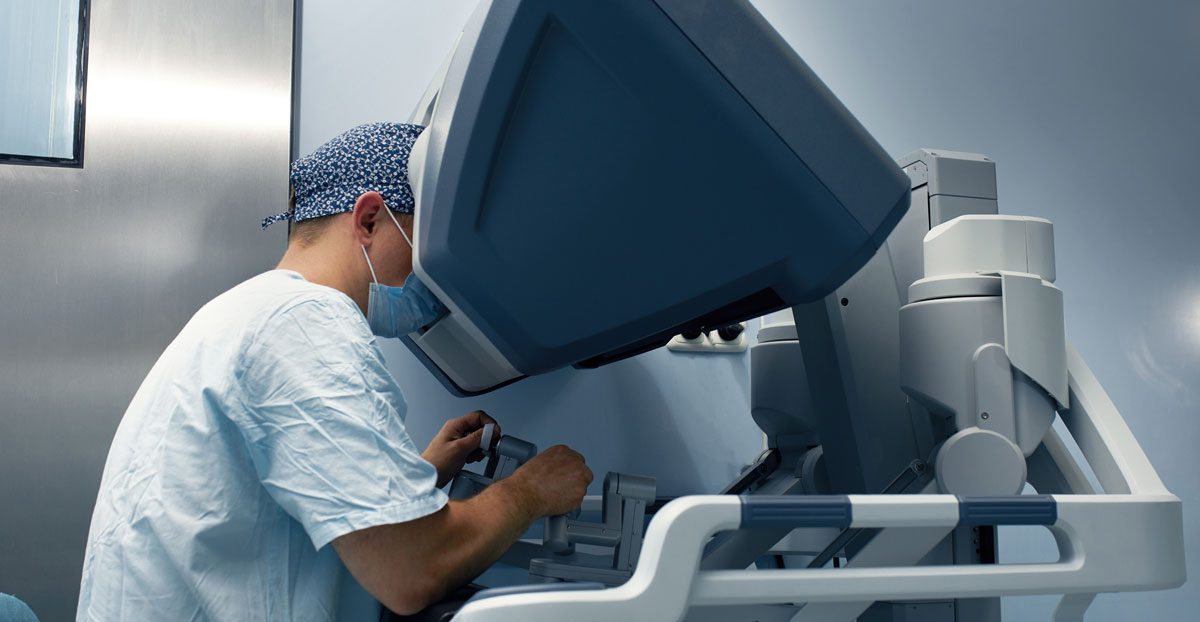
During robotic surgery, several small incisions are made to place surgical ports. The robotic instruments and camera are inserted through these ports, and the surgeon operates from a nearby console. The system translates the surgeon’s hand movements into precise instrument motion while filtering tremor and allowing fine dissection.
Depending on the cancer type, robotic procedures may include:
- Radical prostatectomy with nerve-sparing techniques when appropriate
- Partial nephrectomy to remove the tumor while preserving kidney tissue
- Radical cystectomy with lymph node removal and urinary reconstruction
- Nephroureterectomy for upper tract urothelial tumors
- Lymph node dissection for staging or treatment
Benefits of the Procedure
Robotic surgery may offer several advantages compared with traditional open surgery:
- Smaller incisions and reduced scarring
- Less blood loss during many procedures
- Shorter hospital stay in appropriate cases
- Reduced postoperative pain
- Faster return to normal activity
- Excellent visualization and precision for delicate cancer surgery
- Organ preservation opportunities in select kidney tumors
What to Expect
Hospital stay and recovery depend on the procedure performed. Many patients go home within one to three days after robotic surgery, though larger operations may require longer recovery. Temporary catheters, drains, or stents may be used. Final pathology results guide whether additional treatment or surveillance is recommended.
Is It Right for You?
Robotic surgery may be appropriate for patients with localized or selected advanced urologic cancers who are candidates for surgical treatment. The best approach depends on cancer stage, prior surgeries, anatomy, overall health, and treatment goals. Consultation with a urologic oncologist experienced in robotic techniques can help determine whether this approach offers the safest and most effective option.