
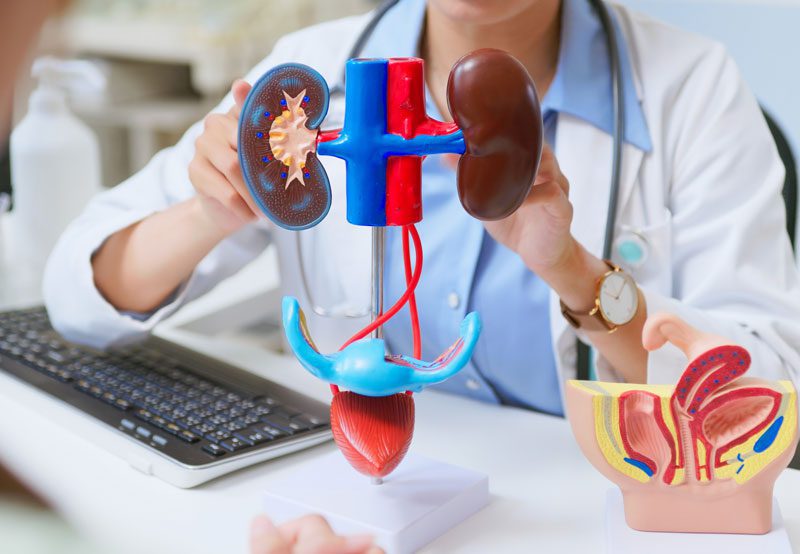
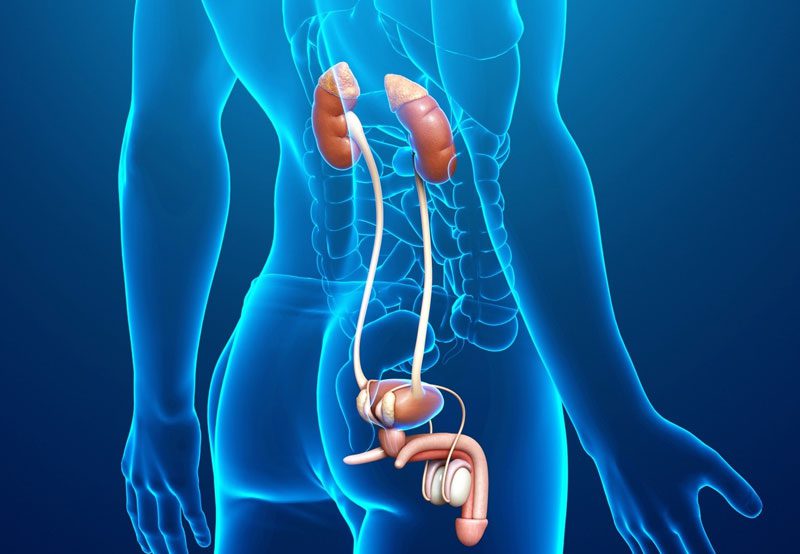
Reconstructive surgery in urologic oncology focuses on restoring urinary function, anatomy, and quality of life after treatment for cancers affecting the bladder, kidney, prostate, penis, testicles, or urinary tract. Cancer surgery can sometimes require removal of organs, surrounding tissue, or portions of the urinary system, making reconstruction an important part of comprehensive care. These procedures are designed to help patients recover function while maintaining independence and daily comfort.
What It Treats
Reconstructive surgery may be recommended after treatment for several urologic cancers, including:
- Bladder cancer: Reconstruction after cystectomy, including urinary diversion or creation of a neobladder
- Prostate cancer: Treatment of urinary incontinence, erectile dysfunction, or urethral scarring after prostatectomy or radiation
- Kidney cancer: Repair of urinary drainage structures or reconstruction after complex kidney-preserving surgery
- Penile cancer: Restoration of appearance and function after partial or total penectomy
- Testicular cancer: Testicular prosthesis placement or reconstruction after orchiectomy
- Urethral or pelvic cancers: Repair of strictures, fistulas, or damaged urinary tissues after surgery or radiation

How the Procedure Works
The type of reconstruction depends on the cancer treated, anatomy involved, and functional goals. Common procedures include:
- Urinary diversion: Use of bowel tissue to create an ileal conduit, continent pouch, or orthotopic neobladder after bladder removal
- Artificial urinary sphincter or male sling: Treatment of stress urinary incontinence after prostate cancer surgery
- Urethral reconstruction: Repair of scarring or narrowing after surgery or radiation
- Penile reconstruction: Tissue reconstruction or prosthetic options after penile cancer treatment
- Testicular prosthesis placement: Cosmetic restoration following orchiectomy
- Robotic reconstruction: Minimally invasive techniques used in selected cases for precision and recovery benefits
Detailed imaging and functional testing are often used before surgery to guide treatment planning.
Benefits of the Procedure
Reconstructive surgery can significantly improve recovery after cancer treatment by helping restore:
- Urinary control and bladder function
- Normal urine drainage
- Sexual health and intimacy
- Body image and confidence
- Comfort during daily activities
- Long-term quality of life after cancer treatment
What to Expect
Recovery varies depending on the complexity of the procedure. Some surgeries are outpatient, while others require hospitalization and temporary catheters, drains, or stents during healing. Follow-up care focuses on recovery, device management when applicable, and monitoring long-term function.
Is It Right for You?
Reconstructive surgery may be appropriate for patients experiencing urinary, sexual, or anatomical changes after treatment for urologic cancer. Consultation with a urologic oncology and reconstructive specialist can help determine the safest and most effective options based on prior treatment, cancer status, and personal goals.