

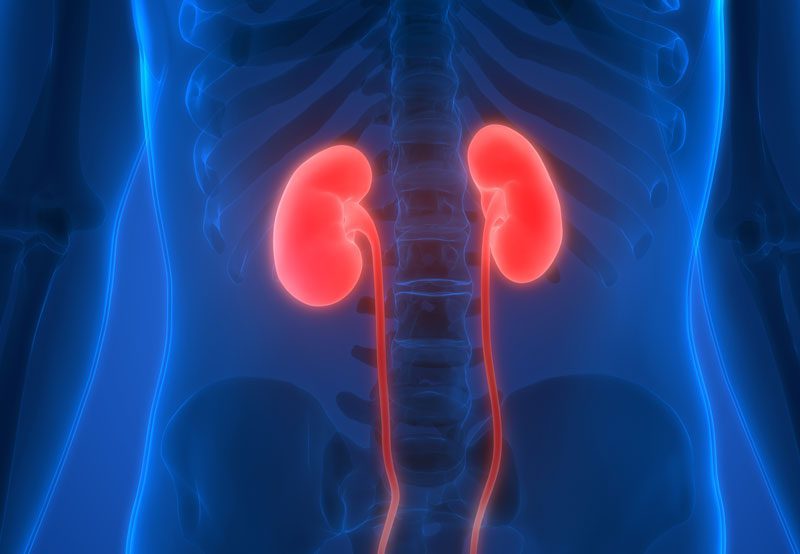
Complex renal surgery refers to advanced surgical procedures performed to treat challenging kidney tumors, large renal masses, anatomical abnormalities, vascular involvement, or conditions where preserving kidney function is especially important. These operations often require highly specialized planning and technique due to the location of the disease, prior surgeries, reduced kidney function, or involvement of nearby structures. Complex renal surgery may be performed with open, laparoscopic, or robotic approaches depending on the specific case.
What It Treats
Complex renal surgery may be recommended for a variety of kidney-related conditions, including:
- Large kidney tumors that are difficult to remove with standard techniques
- Central or hilar tumors located near major blood vessels or the collecting system
- Bilateral kidney tumors requiring preservation of kidney tissue
- Tumors in a solitary kidney where avoiding dialysis is a priority
- Recurrent kidney tumors after prior treatment
- Kidney cancers involving the renal vein or vena cava
- Complex benign masses or cystic lesions requiring surgical management
- Congenital or structural abnormalities affecting kidney drainage or function

How the Procedure Works
The surgical approach depends on tumor size, location, kidney anatomy, and overall health. Procedures may include:
- Complex partial nephrectomy: Removal of the tumor while preserving as much healthy kidney tissue as possible
- Radical nephrectomy: Removal of the kidney when tumor size or involvement prevents safe preservation
- Vascular reconstruction: Repair of blood vessels if a tumor extends into the renal vein or surrounding vessels
- Collecting system reconstruction: Repair of the urine drainage system after tumor removal
- Robotic surgery: Minimally invasive approach used for many advanced kidney procedures when appropriate
Detailed imaging such as CT or MRI is often used before surgery to guide planning and determine the safest strategy.
Benefits of the Procedure
Complex renal surgery offers several important advantages when performed by an experienced specialist:
- Cancer control through complete tumor removal
- Kidney preservation when partial nephrectomy is possible
- Reduced risk of chronic kidney disease by saving functioning tissue
- Management of technically difficult tumors not suitable for routine surgery
- Use of minimally invasive techniques in select cases for faster recovery
What to Expect
Recovery depends on the complexity of the surgery and whether an open or robotic approach is used. Hospital stays may range from one to several days. Temporary drains, catheters, or stents may be needed during healing. Follow-up typically includes review of pathology results, imaging, kidney function testing, and surveillance for recurrence when cancer is involved.
Is It Right for You?
Complex renal surgery may be appropriate for patients with difficult kidney tumors, limited kidney reserve, prior renal surgery, or disease involving nearby blood vessels or urinary structures. Evaluation by a urologic surgeon experienced in advanced kidney procedures is essential to determine the safest treatment plan while balancing cancer control and long-term kidney function.