
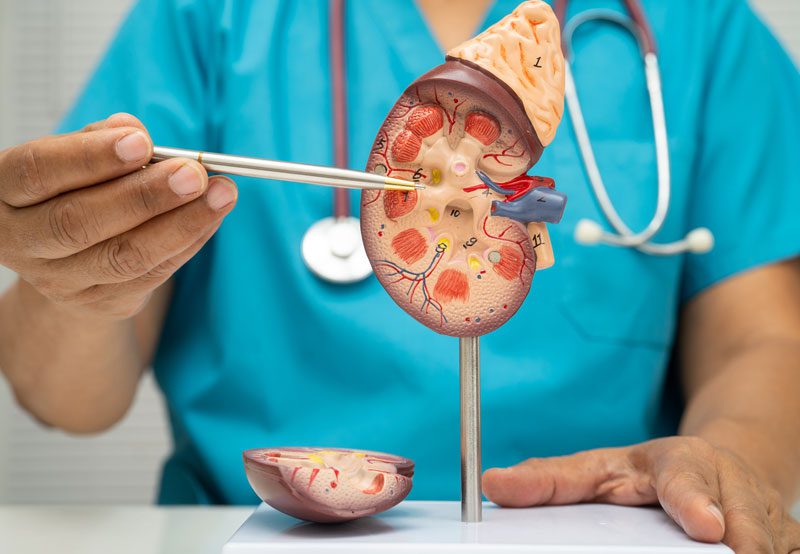

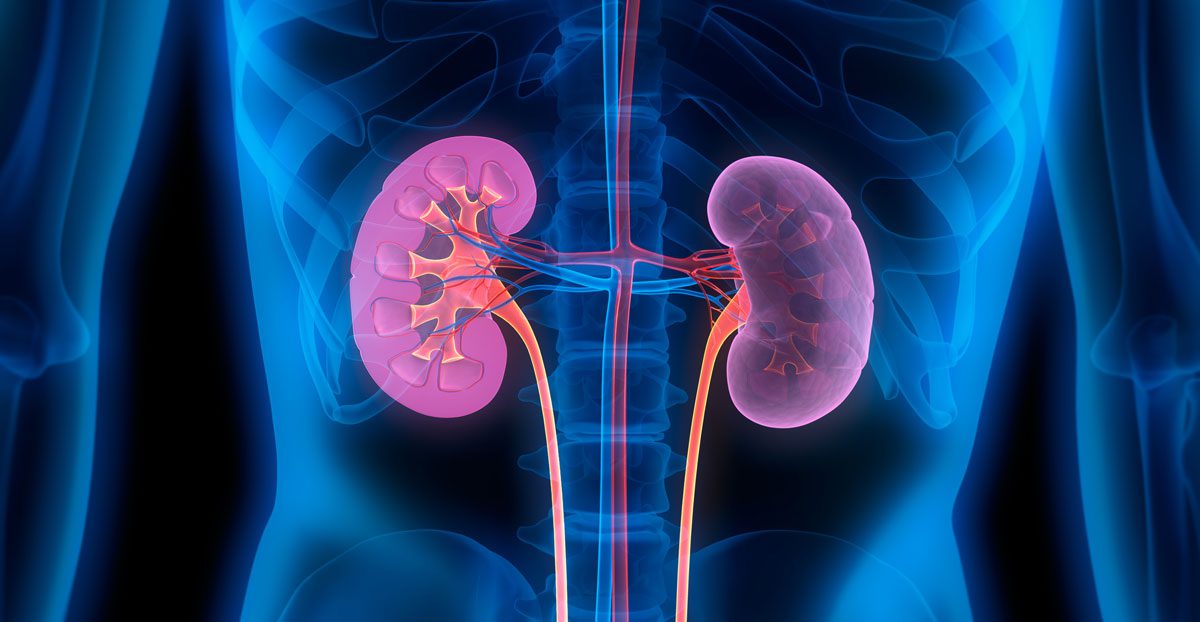
Renovascular surgery refers to procedures involving the blood vessels of the kidneys, including the renal arteries and renal veins. These operations are performed to restore blood flow, remove tumor involvement, control vascular complications, or preserve kidney function in complex cases. In urologic oncology and advanced kidney surgery, renovascular techniques may be necessary when tumors involve major vessels or when vascular reconstruction is required during organ-preserving treatment.
What It Treats
Renovascular surgery may be used in the management of several conditions, including:
- Kidney tumors involving the renal vein or vena cava
- Renal artery narrowing (renal artery stenosis) causing uncontrolled hypertension or reduced kidney function
- Aneurysms of the renal artery
- Traumatic injury to kidney blood vessels
- Complex kidney tumors requiring vessel reconstruction during partial nephrectomy
- Thrombosis or blockage of renal vessels
- Selected congenital or structural vascular abnormalities
How the Procedure Works
The specific procedure depends on the condition being treated. Common approaches include:
- Tumor thrombectomy: Removal of tumor extending into the renal vein or inferior vena cava during kidney cancer surgery
- Vascular reconstruction: Repair or reconstruction of arteries or veins affected by tumor or injury
- Bypass or reimplantation: Restoring blood flow around narrowed or damaged vessels
- Aneurysm repair: Treatment of weakened or enlarged renal arteries
- Minimally invasive or robotic techniques: Used in selected cases depending on anatomy and complexity
These surgeries often require advanced imaging and careful preoperative planning using CT angiography or MRI.
Benefits of the Procedure
Renovascular surgery can provide important clinical benefits:
- Preservation of kidney function
- Safe removal of complex kidney tumors
- Improved blood flow to the kidney
- Better blood pressure control in selected patients
- Management of life-threatening vascular complications
- Expanded treatment options for challenging renal conditions
What to Expect
Recovery depends on the complexity of the surgery and whether an open or minimally invasive approach is used. Some procedures require hospitalization for several days with close monitoring of kidney function, blood pressure, and circulation. Follow-up imaging and lab testing are often used to confirm successful repair and long-term kidney health.
Is It Right for You?
Renovascular surgery may be appropriate for patients with kidney tumors involving blood vessels, renovascular hypertension, vascular abnormalities, or complex renal disease requiring reconstruction. Evaluation by a surgeon experienced in advanced kidney and vascular procedures is important to determine the safest and most effective treatment strategy.